Set Up iCloud Email Forwarding to Another Email


You may get the “set forwarding to email” issue in your iCloud account when someone has access to your account and has set up the forwarding to another email address. This incident may take away your control of the account, including your access to personal information or data. In order to prevent this type of issue from happening to your account, you must monitor your email forwarding settings regularly and follow the necessary steps to protect your email account. 


Reasons Behind Set Forwarding to iCloud Account Issue

There are multiple reasons why you get issues with email forwarding. Check them out here: 


  • When your email address is incorrect 

  • When your account or server has some issue 

  • Maybe due to the interruption of any third-party antivirus or program 

  • It can result when email storage space doesn’t have sufficient space 


Solution 1: Verify if Your iCloud Storage Is Full and Upgrade It

As you know, insufficient storage in an iCloud account can lead to set forwarding to email issues; it is a must to check the storage once. 


  1. On your iOS device, open the Settings. 

  2. Then, you should click on your name and then hit iCloud. 

  3. Now, choose the Manage Storage option. 

  4. After that, a list of all the apps using iCloud storage will appear. 

  5. In order to upgrade the storage, you need to click on the Buy More Storage option. 

  6. Next, pick a storage plan that best fits your needs. 

  7. In the next step, provide your Apple ID and password to verify the purchase. 

  8. Finally, your iCloud storage will be upgraded. 


Solution 2: Confirm the Email ID You Are Forwarding Your Email to Is Valid and Free From Errors

The email address you have to forward your email to should be valid and error-free. Check how to see it. 


  1. In the first step, navigate to a browser and log in to your email account. 

  2. Then, try composing an email to the email address you are forwarding your mail to. 

  3. After that, confirm the spelling of your email address. 

  4. Now, send that email to the targeted email. 

  5. Next, check the inbox where you’ve sent the email, and also check that the email is received. 

  6. If you see that the email is not received, find the mistake with the recipient’s email ID and try resending the email. 

  7. When everything is confirmed, and you find your email ID error-free, you can set forward your email easily. 


Solution 3: Turn off Any Conflicting Third-Party Antivirus Program

Any third-party antivirus software or program can also cause issues with the email forwarding. Check how to turn them off. 


  1. Initially, launch the Settings app on your iOS device. 

  2. Then, choose the Passwords & Accounts option by scrolling down. 

  3. After that, you need to click on the account you have issues with. 

  4. Now, turn off any conflicting third-party apps connected to your account. 

  5. Again, you can try forwarding your iCloud email to check if the issue has been fixed. 


Solution 4: Confirm That You Have a Stable Internet Connection and Try Again

Sometimes, the internet connection issues can also cause issues with the email forwarding. Check the steps to confirm it. 


  1. In the first step, verify your internet connection on a web page or any other app. 

  2. Then, if you find your connection a little slow, reset your Wi-Fi router or modem. 

  3. After that, wait for some time and check if the issue has been resolved. 

  4. If you observe the issue still persists, try again or just contact your internet service provider. 

Frequently Asked Questions (FAQs)

You may need to set email forwarding due to various reasons, including: 


  1. Accumulating multiple accounts into a single inbox to manage them easily. 

  2. To share emails with your colleagues and team members. 

  3. To make sure that you receive emails while using a different device or account. 

  4. Also, you need to archive emails in a different account for data-keeping.

If you want to use the email forwarding service, you should sign up and create an account. After that, configure the relevant settings to forward incoming emails to the desired email address. This is how you’ll specify the forwarding email address and all the other required criteria for email forwarding. Lastly, you should test your service to make sure that the email is forwarding correctly.

If you want to automatically forward your emails from iCloud to Gmail, navigate to your iCloud mail in a browser, hit the gear icon, and choose Preferences. Then, go to the General tab, and under the Forwarding section, tick the box to forward my email to, and then enter your email address. Finally, hit the Done button to implement the changes.

Latest Blogs

  • Jul 03, 2025
  • By Zavric Thorne

Resolve Reset Your Account Error in iCloud Mail

A week ago, as I arrived home from work, I remembered that I had to review emails from a freelance client regarding his .... Read More
  • Jul 02, 2025
  • By Lyvera Solen

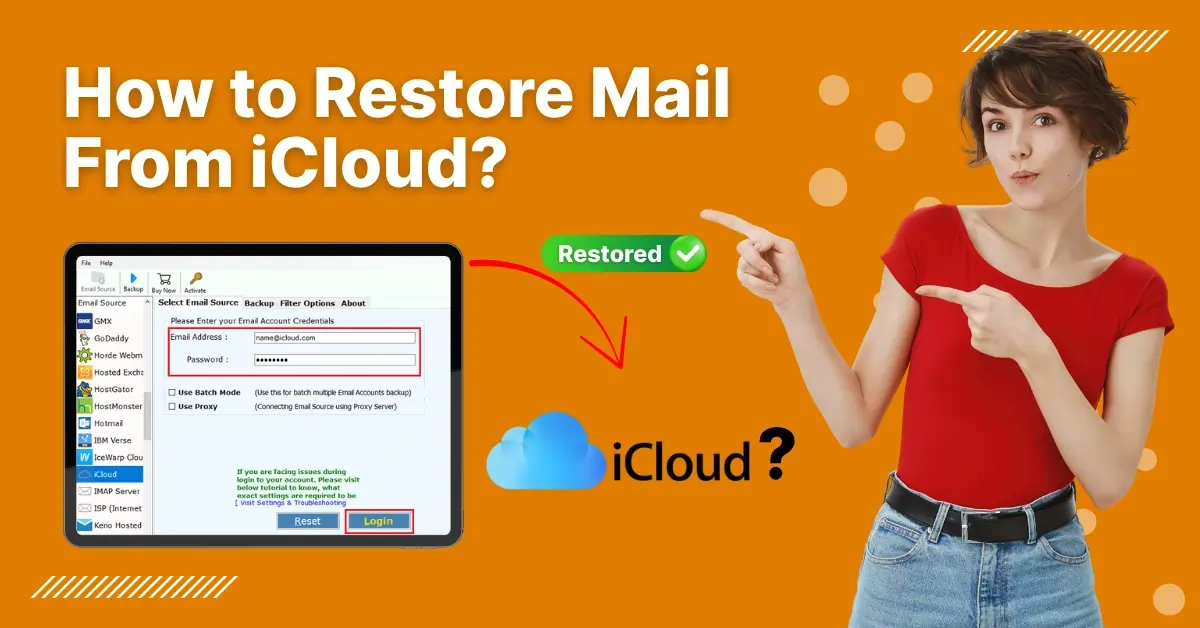
How to Restore Mail From iCloud?

I still remember that Friday afternoon when I opened my MacBook. What I noticed on the screen was that an important emai.... Read More
  • Jun 14, 2025
  • By Zavric Thorne

How to Reset the Password on iCloud Email?

iCloud email users may want to reset their account password for many reasons. The reasons can be linked to access, secur.... Read More
  • Jun 06, 2025
  • By Lyvera Solen

How to Unsend an Email iCloud?

Mistakes in emails, such as typos or missing attachments, are common, even when using iCloud. Fortunately, the 'Undo.... Read More
  • May 29, 2025
  • By Zavric Thorne

How to Log Into iCloud Email?

Getting access to your iCloud email account is crucial. It lets you stay connected, manage your Apple services, and keep.... Read More
  • May 28, 2025
  • By Zavric Thorne

How to Stop Junk Mail on iCloud?

Unwanted emails are a common concern for iCloud Mail users, causing distractions and confusion. Junk mail can make it di.... Read More
4.5/5

77 Votes

About Help Email Tales

Help Email Tales is an independent troubleshooting publisher. We are not affiliated with, endorsed by, or officially connected to any of the email providers referenced on this site — including Microsoft (Outlook), Apple (iCloud), Yahoo, AOL, Comcast (Xfinity), Google (Gmail / Workspace), GoDaddy, BT Group (BTinternet), or Samsung.

All guides are produced independently. Brand names and product names are used for reference purposes only to identify the platforms the guides apply to.

Rate Us!

4.5/5   77 - votes.
Back to Top