Microsoft Outlook is an email management system introduced in 1997. However it is a personal information manager included in the Microsoft 365 software suites, but it also offers some more functions such as task management, web browsing, note-taking, journal logging, calendaring, etc. This Microsoft application works as an individual application as well as part of the suite. Outlook works primarily by sending and receiving emails but also manages documents, data aggregation, mailboxes, and contacts on the computer. Outlook email management software is accessible on Windows and Mac and offers premium email service with a subscription plan. One of the greatest benefits of Outlook is that it is a multi-user software that works well in professional spaces. It is also available as an application for mobile devices.
Microsoft Outlook is one of Microsoft’s most important applications and products. It manages the emails and personal information. It comes along with Office 365 or Microsoft Office but can be used as a separate application. Outlook is intended to work with email clients, but it can deliver some more useful features such as calendar management, task management, web browsing, note-taking, and many others. Thus, Outlook is now a well-known email management software for numerous businesses.
Outlook was the result of its talented founders- Sabeer Bhatia and Jack Smith. This Microsoft application was formerly known as Hotmail, one of the famous web email services. In 1996, it was released commercially as a freedom from the old ISP-based email. Outlook is accessible from anywhere in the world. In the beginning, Outlook’s free storage capacity was 2MB, and very soon, around 8.5 million people started using it.
In 1997, Microsoft Corporation acquired Hotmail for $400 million as a part of MSN. But in that same year, Hotmail was hit by an accident, and all its emails were lost from 25% of mailboxes, and it went down in the market. However, Hotmail was well known across the world, and it helped it overcome difficulties. After this incident, Outlook gained even more subscribers, about 30 million, and became one of the top web email services in 1999.
In 1999, hackers revealed that anyone could log in to Hotmail just by entering an “eh” password due to some technical glitch. Then, Outlook was released on 31 July 2012. Soon, its beta version was also released. Moreover, all the Hotmail users were allowed to move on to Outlook to get a more secure version of the web email service. Soon, Outlook.com gained over 400 million users by the end of May 2023.
Later, in 2015, Outlook made a big announcement of moving its services to Microsoft 365. On 8 August 2017, it released a new opt-in beta toggle to allow users to test the changes in Outlook. The new version was more responsive and fast and improved with emoji browsing features. Plus, the company included PhotoHub in Outlook. Moreover, the Outlook Premium program was stopped on 30 October 2017. However, users were still using and renewing the Outlook services.
All the features were included for the Office 365 subscribers. Microsoft again introduced the latest feature in November 2019. This new feature allowed the users to listen to their email aloud. Now, this Microsoft suite application has around 500 million users worldwide.

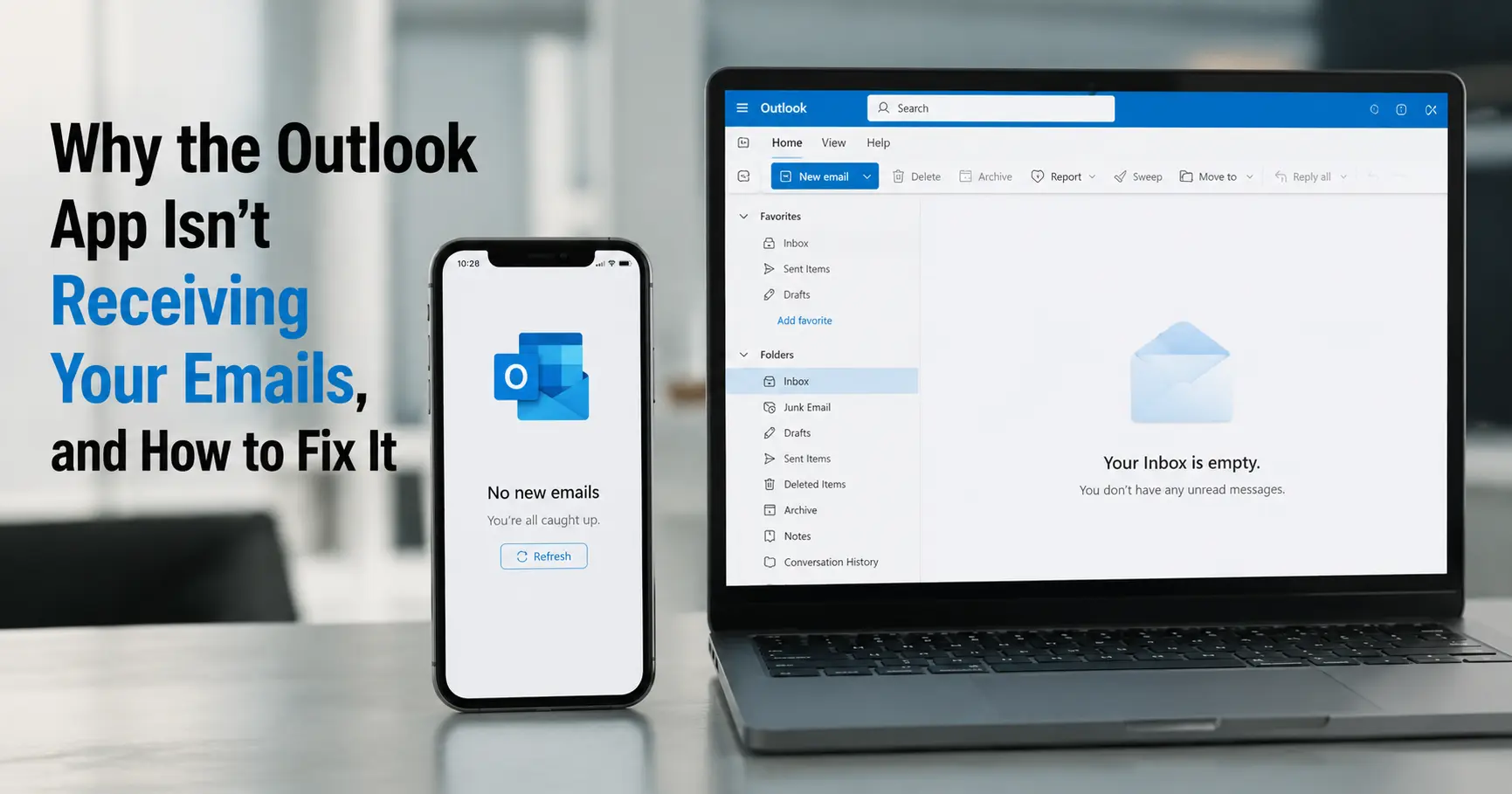
When the Outlook app stops pulling in new mail, open Outlook on the web (outlook.com, or your organization's webmail add....
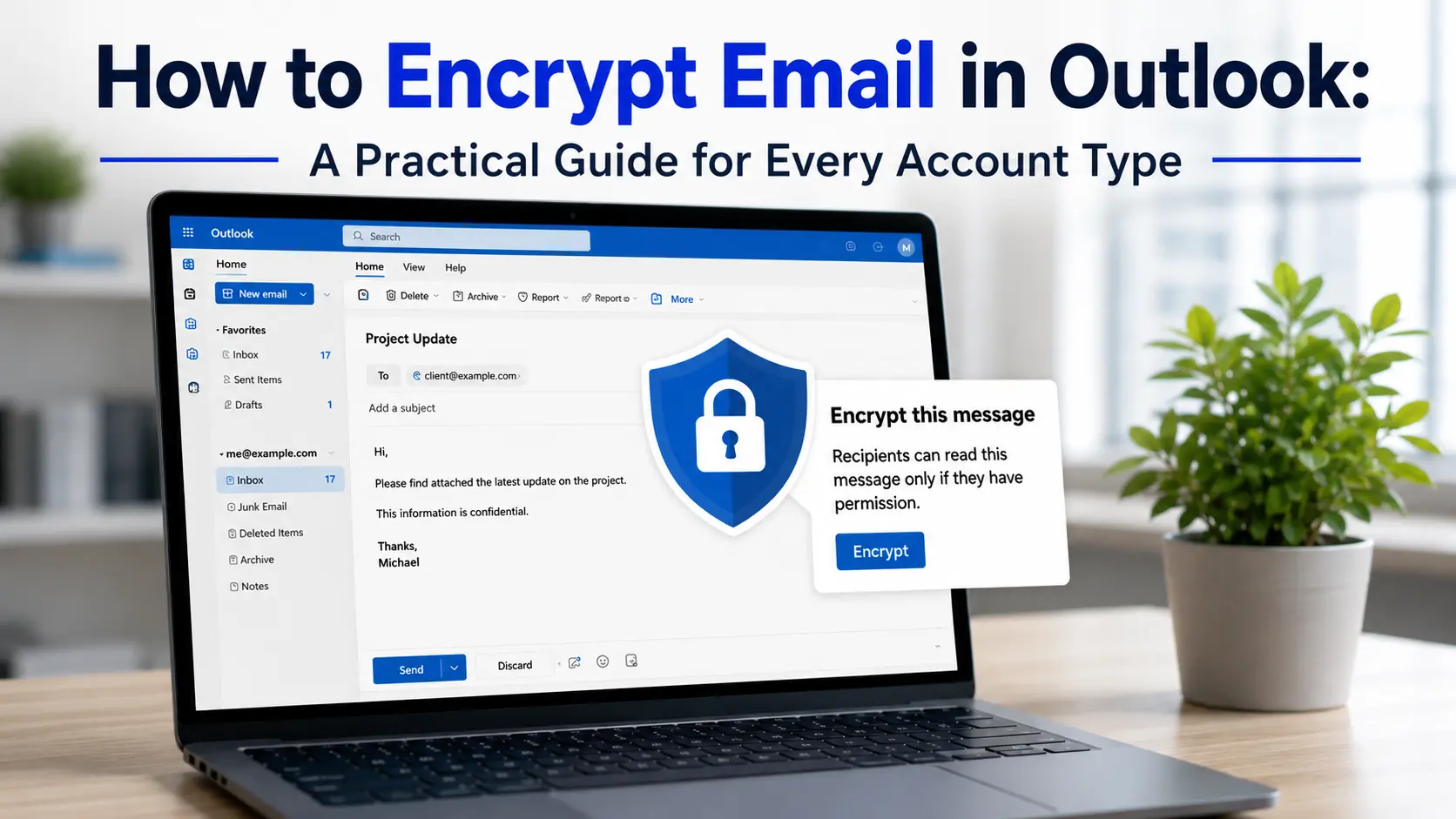
If you clicked into this looking for the fastest answer: open a new message, click Options on the ribbon, then click Enc....
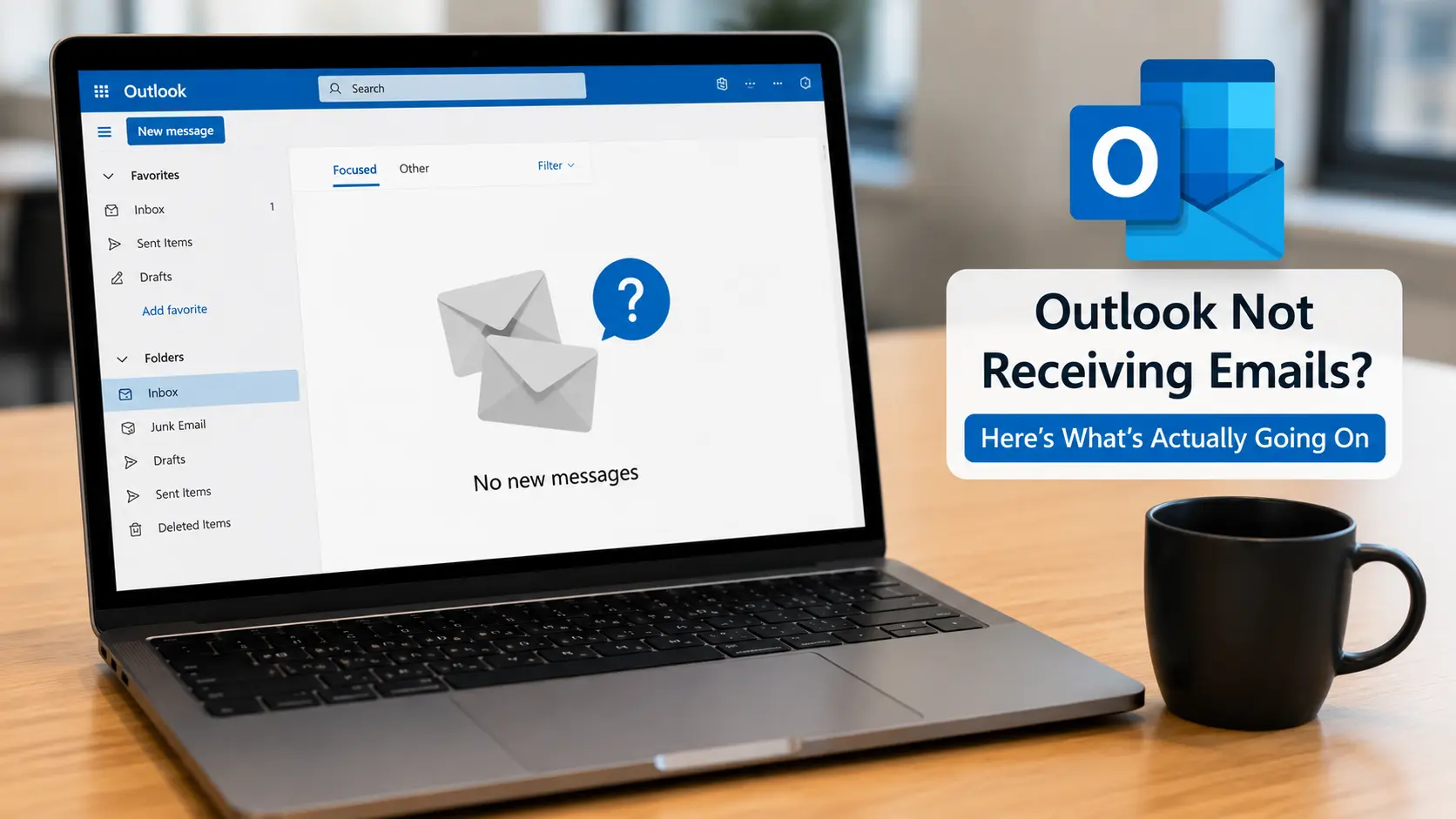
Nine times out of ten, Outlook isn't broken; it's quietly sorting mail somewhere you're not looking, or....
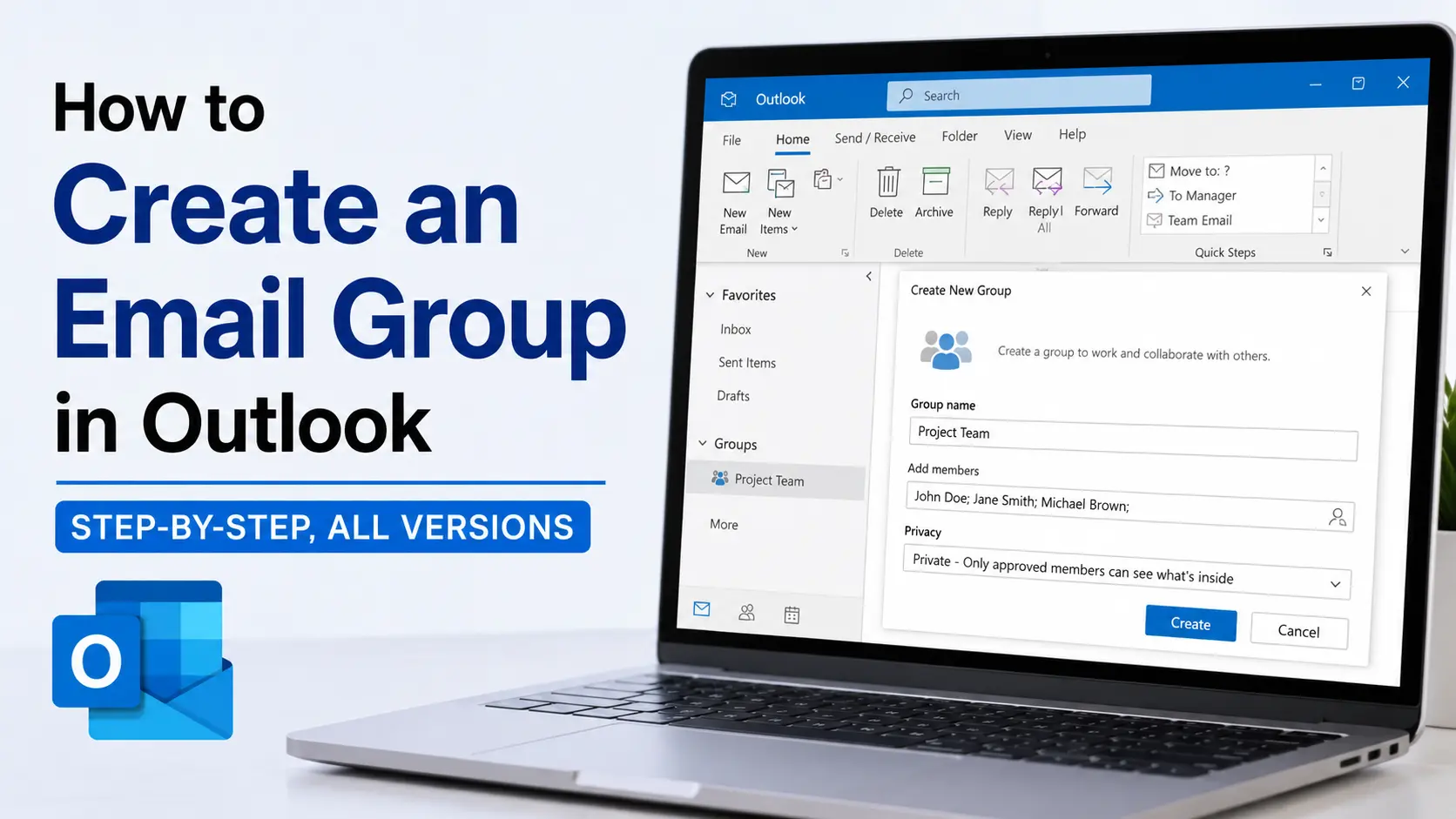
To create an email group in Outlook, open People (bottom-left of the Outlook window), then click New Contact Group in cl....
Help Email Tales is an independent troubleshooting publisher. We are not affiliated with, endorsed by, or officially connected to any of the email providers referenced on this site — including Microsoft (Outlook), Apple (iCloud), Yahoo, AOL, Comcast (Xfinity), Google (Gmail / Workspace), GoDaddy, BT Group (BTinternet), or Samsung.
All guides are produced independently. Brand names and product names are used for reference purposes only to identify the platforms the guides apply to.



 +1-857-557-6896
 +44-161-791-4592